
Apparently, Pacelle felt the same way. The two leaders decided to meet secretly in the “smokey corners of pubs,” to discover whether their two organizations might find enough common ground to do some problem-solving.
“We couldn’t even meet in each other’s offices because our organizations would go crazy if they saw us reaching out to each other,” Joel said. Good thing the two leaders trusted their instinct for collaboration more than the party line. They ultimately discovered in one another a likable, admirable, and trustworthy opposite. By breaking out of their institutional identities, the two forged a partnership that ultimately resulted in a win-win for both organizations. In exchange for SeaWorld’s ceasing its killer whale breeding program, the Humane Society would support SeaWorld publicly as a “good organization.”
As a result of their partnership, SeaWorld’s favorability rating rose from 35 percent to 70 percent positive in roughly a six-month period. Sales started coming back and trust in the family entertainment venue began to return as well. At a time when our civic and business cultures are polarized by intolerance and endless “monologues” and feedback loops, Joel offers a valuable lesson in the power and efficacy of dialogue. “What we are dealing with in America is way too complex to solve with sound bytes,” said Joel. “To get answers, we need dialogue, not more monologue.”
We hope you’ll join us for what promises to be a great dialogue about winning business cultures and learning from those we may least expect to teach us something.
You will learn:
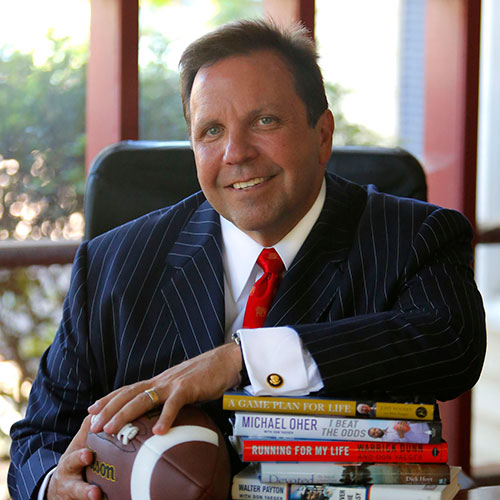
As a Hall of Fame keynote speaker, longtime Associate Editor for Sports Illustrated, and 14-time New York Times Best-Selling author, Don Yaeger is one of America’s most provocative thought leaders. From walking into Afghanistan with the Mujahadeen to living with football legend Walter Payton, Don has spent three decades embedded with the world’s greatest "Greats." Now a sought-after executive coach and host of the Corporate Competitor Podcast, he translates the lessons of sports and business legends into actionable strategies for building a culture of greatness.







"Don is one of the best storytellers I’ve ever met. I’ve known him for a long time and every time we talk I walk away wiser and more inspired. He is the best in the business at teaching you a skill – storytelling – that will last you a lifetime.”

“The ability for athletes to get hired is carried on through you because you are putting out the message that lessons learned from sports are important in life. It is embedded in this podcast, what you’re doing is significant.”

We speak the same language. I am inspired by the stories you tell, the people you have met, and the things you’ve done. Those of us that are competitors like to follow others that have been down that journey, so it is always fun talking to you!”
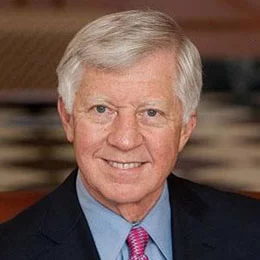
“Many of the leaders I have worked with were excellent athletes, and I think there is a direct correlation. You’re one of the few people that really has pursued this study, Don. Keep up the great work. What you are doing really makes a difference.”

“Don, you have mastered the skill of interviewing and asking great questions. That is a great skill all leaders need in order to understand their team members’ thought processes.”
Sign up to receive Don Yaeger’s weekly leadership contributions, and be the first to listen to new Corporate Competitor Podcast episodes.